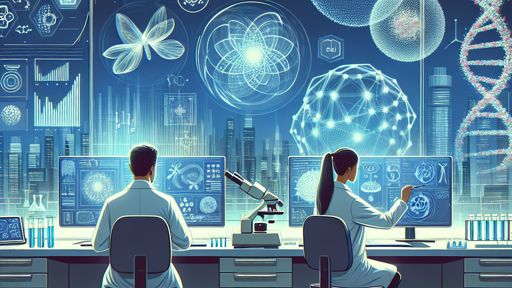
What Biomedicine Encompasses
Biomedische wetenschap is the discipline that builds a bridge between the laboratory and the clinic. It scrutinises the tiniest cellular mechanisms, the behaviour of individual molecules, and the outcomes of sophisticated animal models, then translates those findings into human trials and, ultimately, therapeutic interventions. The field thrives on a dual commitment to mechanistic insight and solid evidence, ensuring that every discovery is weighed against its real‑world impact.
Decoding Everyday Mysteries
Even seemingly mundane topics such as the definition of a calorie or the dynamics of body‑fat storage fall under its umbrella. Researchers dissect how energy is processed, how adipose tissue communicates with the immune system, and why certain dietary patterns may predispose individuals to metabolic disorders.
Genetics, Disease, and Nobel‑Level Innovations
Groundbreaking work on the sickle‑cell gene illustrates how a single mutation can confer resistance to malaria, offering a vivid example of evolutionary trade‑offs. Recent Nobel‑prize‑winning techniques have restored rudimentary sight to blind participants, while another laureate uncovered the molecular “on/off” switch that governs neuronal firing, opening doors to precise neuromodulation therapies.
Nutrition, the Microbiome, and Processed Foods
Ultraprocessed foods are being re‑examined for their unexpected effects on digestion and gut‑derived signalling pathways. Scientists are uncovering how food additives may alter the microbiome, potentially reshaping appetite regulation and inflammatory responses.
Immune Ageing and Lifestyle Interventions
Contrary to the notion of a steady decline, the immune system ages in episodic bursts, with periods of heightened vulnerability followed by phases of resilience. Simple behavioural tweaks—such as spending a brief moment each week leaning against a wall—have been linked to modest reductions in blood pressure, hinting at the power of low‑effort habits.
Therapeutic Horizons: From Music to Exercise
Music therapy has shown promise in temporarily dampening cravings for alcohol and illicit drugs, suggesting that auditory stimulation can modulate reward circuits. Meanwhile, a novel rehabilitation program targeting the knee after anterior cruciate ligament surgery demonstrates that targeted exercise can accelerate functional recovery even years after the initial injury.
Controversial Frontiers: GMOs, Aspirin, and AI‑Designed Vaccines
Debates persist around genetically modified organisms and their role in modern agriculture, yet many life‑saving medicines owe their existence to recombinant DNA technology. Aspirin’s potential to stave off dementia appears to depend on specific genetic backgrounds, underscoring the need for personalised risk‑benefit analyses. In a striking display of artificial intelligence, an algorithm has designed an mRNA vaccine that remains stable without ultra‑cold storage, a breakthrough that could democratise vaccine distribution worldwide.
Longevity Research and Cognitive Rehabilitation
Compounds that extend the lifespan of fruit flies and nematodes are being investigated for translational relevance to human ageing. For individuals with aphasia, unconventional therapies—such as observing birds—are being explored to stimulate language networks and promote neural plasticity.
Source: https://scientias.nl/nieuws/mens-gezondheid-psychologie/biomedische-wetenschap/