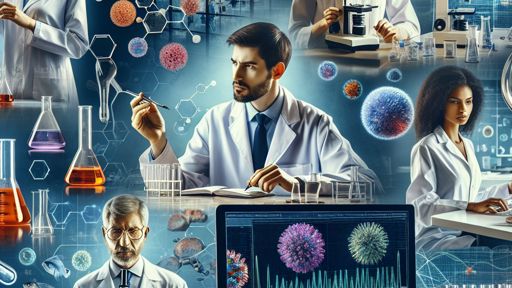
Bridging the Gap Between Research and Treatment
Biomedische wetenschap, or biomedical science, serves as the conduit that links fundamental laboratory discoveries with real‑world clinical applications. By scrutinising cellular mechanisms, molecular pathways, animal models, and human trials, researchers translate abstract concepts into tangible therapies. This dynamic field not only uncovers how diseases arise but also paves the way for innovative diagnostics, vaccines, and therapeutic regimens.
Spotlight on Recent Innovations
Combatting Antimicrobial Resistance
One pressing question dominates headlines: is there already a drug in pharmacies that can neutralise a newly emergent resistant bacterium? Scientists are racing to repurpose existing antibiotics and develop novel compounds, leveraging high‑throughput screening to identify candidates that bypass conventional resistance mechanisms.
Debunking Myths Around mRNA Cancer Vaccines
Amidst a flood of sensational stories, researchers are clarifying the realities of mRNA‑based cancer vaccines. While the technology holds promise for personalised oncology, current data reveal both technical hurdles and regulatory uncertainties that must be addressed before widespread adoption.
Blood‑Based Biomarkers for Pancreatic Cancer
Early detection of pancreatic malignancies remains a formidable challenge. A newly identified protein signature in the bloodstream offers a potential non‑invasive screening tool, raising hopes for earlier intervention and improved survival rates.
‘Cocktail’ Antivenom Neutralises Multiple Cobras
In a groundbreaking study, a blended antibody formulation successfully inactivated the toxins of four distinct cobra species. This multi‑target approach could streamline emergency treatment in regions plagued by venomous snake bites.
AI Reconstructs the Life Cycle of a Cell
Artificial intelligence is now capable of mapping the entire trajectory of a single cell, from division to differentiation. By analysing massive imaging datasets, the algorithm predicts cellular fate decisions, opening new avenues for regenerative medicine and cancer research.
Ketamine as a Bipolar Disorder Option
Beyond its established role in anesthesia and depression, ketamine is being evaluated as a rapid‑acting adjunct for bipolar disorder. Preliminary trials suggest mood stabilization benefits, though long‑term safety remains under investigation.
AI as a GP’s Note‑Taker – Promise and Pitfalls
General practitioners are experimenting with AI‑driven transcription tools to streamline patient documentation. While the technology can reduce administrative load, occasional inaccuracies highlight the need for robust validation before full deployment.
Understanding Fatigue in Long COVID and PTSD
Chronic exhaustion is a hallmark of both long‑COVID and post‑traumatic stress disorder. Recent neuro‑immunological studies reveal overlapping inflammatory pathways, offering potential targets for therapeutic relief.
DNA Segments That Shape Personal Identity
Specific stretches of DNA influence traits ranging from metabolism to behavior. Ongoing genome‑wide association studies are decoding how these variants contribute to individual differences and disease susceptibility.
Bees as Natural Sentinels of Ecosystem Health
The humble honeybee acts as a bio‑indicator, reflecting the vitality of surrounding habitats. Declines in bee populations signal broader environmental stressors, prompting conservation actions.
Nanoparticles Foster New Neurons in Alzheimer Mice
Engineered nanomaterials have been shown to stimulate neurogenesis in mouse models of Alzheimer’s disease, suggesting a novel strategy to counteract cognitive decline.
Why Bats Live Exceptionally Long Lives
Genomic analyses reveal that certain bat species possess unique DNA repair mechanisms, granting them remarkable longevity and resistance to age‑related ailments.
Saliva as a Future Cancer Detector
Researchers are developing assays that detect gastric and intestinal cancer markers in saliva, offering a painless, cost‑effective screening alternative.
Recalibrating the Body Clock with Implanted Cells
Innovative cell‑implant therapies can reset circadian rhythms, providing rapid relief from jet lag by synchronising internal clocks with new time zones.
These diverse breakthroughs illustrate the vibrant interplay between laboratory insight and clinical impact, underscoring the transformative potential of biomedical science.
Source: https://scientias.nl/nieuws/mens-gezondheid-psychologie/biomedische-wetenschap/